
Laminitis in horses is a painful inflammation of the hoof's sensitive laminae, requiring immediate action. In this post, you will learn about the causes of laminitis, its symptoms, and the immediate steps you can take.
Laminitis in horses
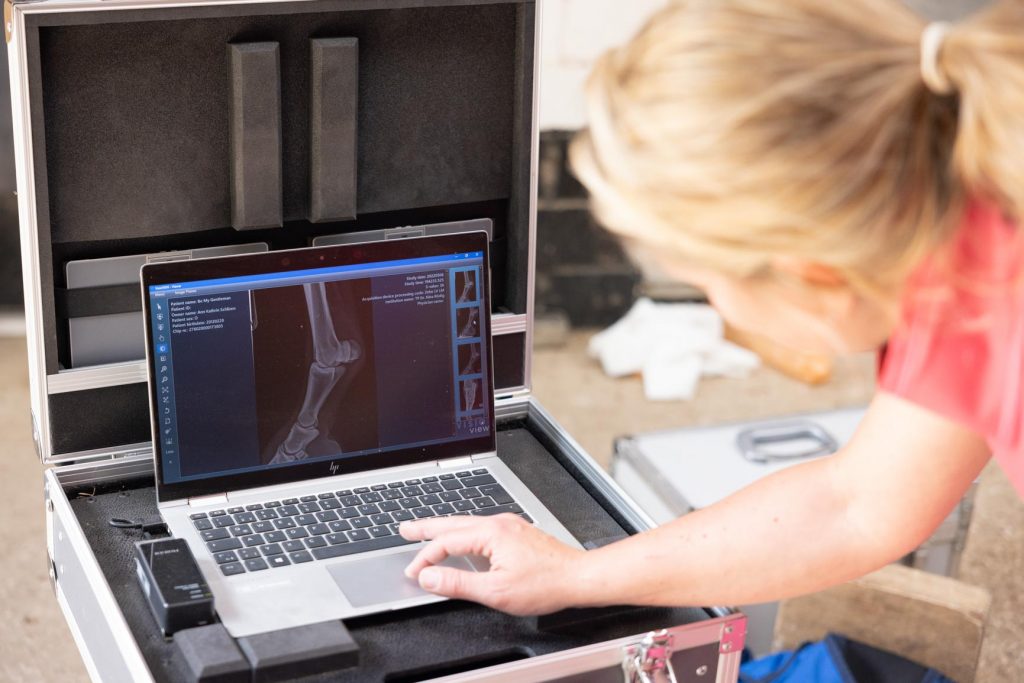
Laminitis (also known as Pododermatitis aseptica) is an inflammation of the sensitive laminae of the hoof. In severe cases, the hoof capsule can separate from the pedal bone – with rotation or even penetration of the pedal bone.
Common causes
- Metabolic Syndrome (EMS) & Cushing's (PPID)Insulin resistance and hormonal disorders increase the risk.
- Fructan-containing grassEspecially in spring and autumn, sugar can trigger laminitis.
- OverweightIncreases susceptibility to metabolic problems.
- Genetic predispositionPonies and certain breeds are more susceptible.
- Improper hoof trimmingCan cause misalignments and strain of the hooves.
- PoisoningCertain plants or medications can trigger toxic laminitis.
- Birth canalInflammation after foaling can cause laminitis.
Symptoms
- Clamping movement, especially under load
- Warming hooves
- Weight shift to the hindquarters (sawhorse stance)
- Forelegs stretched forward
- Tenderness of the sole on palpation
- Severe lameness on turns
Immediate actions on suspicion
- Contact the vet: Laminitis is an emergency.
- Cooling Cool affected hooves with ice or cold water.
- Choosing a soft surface: Place the horse on a soft surface immediately.
- Sedate Minimising movement, keeping the horse in its box.
- Adjust feeding: Avoid sugary and starchy foods and Reduce food quantity immediately.
Prevention
- Regular hoof care by an experienced farrier
- Sufficient exercise, adapted to the state of health
- Tailored feeding for EMS or Cushing's
- Avoiding fructan-rich grass
- Regular veterinary check-ups
Conclusion
Laminitis in horses is a serious condition that requires prompt action. Through preventive measures and close collaboration with your veterinarian, you can minimise the risk and allow your horse to live a pain-free life.
📞 Contact
Veterinary Practice for Horses Dr. Nina Rödig
Phone: +49 151 23063527
E-mail: